Stop looking for 'silicone molds nearby' and start looking for the right distributor
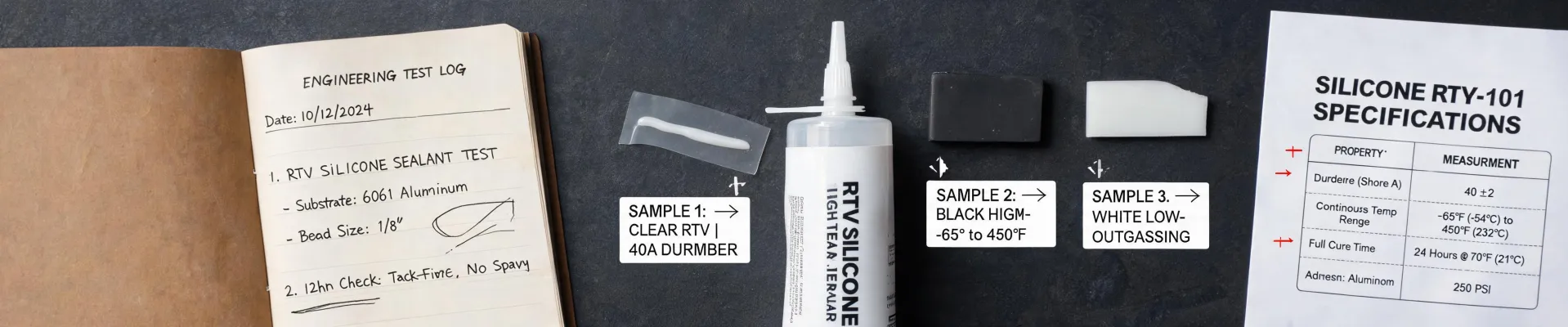
If you're searching for Momentive silicone rubber or trying to find 'silicone molds nearby,' you're probably wasting time. I learned this the hard way in 2021 when my company needed RTV silicone gaskets for a rapid prototype run. My first instinct was to Google local fabricators. That cost us two weeks and a lot of frustration.
Let me save you the headache: For industrial-grade materials like Momentive GE silicone and silicone foam, the 'nearby' search is almost always a dead end. The real challenge isn't geography—it's finding a supplier who understands the material's specs and can provide proper documentation. Here's what I've learned managing about $150K annually in specialty rubber and plastic purchases.
Why 'nearby' is a trap (and what you should search instead)
I'm not 100% sure why, but the phrase 'silicone molds nearby' suggests a local craftsman or a small shop. That works for custom cake molds. For silicone rubber used in industrial applications—like gaskets, seals, or insulation—the reality is different. Take this with a grain of salt, but based on my experience with roughly 8 vendors for different needs, local shops often lack the certification and material traceability that B2B buyers require.
People assume finding a vendor close by means faster service and lower shipping costs. The reality is the opposite. What I mean is: the cost of a rejected shipment due to non-compliant material or improper invoicing (I ate $2,400 from a handwritten receipt disaster once) far outweighs any shipping savings. For Momentive silicone products, you want a distributor who offers material data sheets, lot traceability, and consistent quality.
Instead of 'nearby,' search for 'Momentive authorized distributor' or 'silicone rubber supplier industrial.' If you need something specific like silicone foam for firestopping or RTV silicone for potting electronics, include those terms. (Should mention: this is based on my experience with domestic sourcing. International procurement may vary.)
Momentive vs. the noise: What the GE heritage means for a buyer like me
When I first started handling purchasing, I didn't care about brand heritage. I cared about price. But after a few painful lessons—like a low-cost silicone hose that cracked within 6 months—I learned that material consistency matters. That's where the GE silicone heritage behind Momentive becomes relevant. It's not just marketing; it means decades of documented performance data and standardized formulations.
For an admin buyer like me, that translates into fewer supplier audits. I don't need to personally test every batch because the vendor can provide test reports that meet our operations team's requirements. That's the kind of certainty you can't get from a 'silicone molds nearby' search.
It's tempting to think you can just compare unit prices for silicone rubber and polyurethane foam. But identical specs from a no-name supplier vs. a Momentive-based product can result in wildly different outcomes. The 'always get three quotes' advice ignores the value of established relationships and verified material performance.
How to mount on foam board (and why your silicone supplier matters here)
This is a weird one, right? 'How to mount on foam board' seems unrelated to Momentive silicone. But it's a perfect example of why expertise boundaries matter in procurement. The vendor who said, 'Foam board mounting? That's not our specialty—but we can recommend a silicone foam gasket for vibration isolation' earned my trust for everything else. I'd rather work with a specialist who knows their limits than a generalist who overpromises.
For the record: if you're mounting something substantial on foam board (like signage or equipment), you need a combination of appropriate adhesives and mechanical anchors. A thin silicone bead might not be enough. A silicone foam gasket from Momentive could help with load distribution, but your mounting solution depends on the weight, environment, and substrate. (Don't hold me to this as engineering advice—I'm a buyer, not a structural engineer. Always consult the spec sheet.)
The broader point is: when searching for materials like polyurethane foam gasket or silicone rubber, ask the supplier about their boundaries. A supplier who immediately says, 'Yes, we can do that' without asking about your specific application is a red flag.
Practical next steps for a B2B buyer
- Stop searching for 'nearby.' Start searching for 'Momentive silicone distributor' or 'industrial silicone supplier.'
- Verify documentation. Ask for material data sheets, test reports, and lot traceability before placing an order.
- Ask about expertise boundaries. A good supplier will tell you what they don't do well.
- Consider total cost. Shipping from a qualified distributor is often cheaper than a local reprint or a failed component.
This pricing was accurate as of Q4 2024. The specialty chemicals market changes fast, so verify current rates and availability before budgeting. My experience is based on mid-range industrial orders. If you're sourcing for high-volume production or a specific aerospace/medical application, your requirements will be stricter.